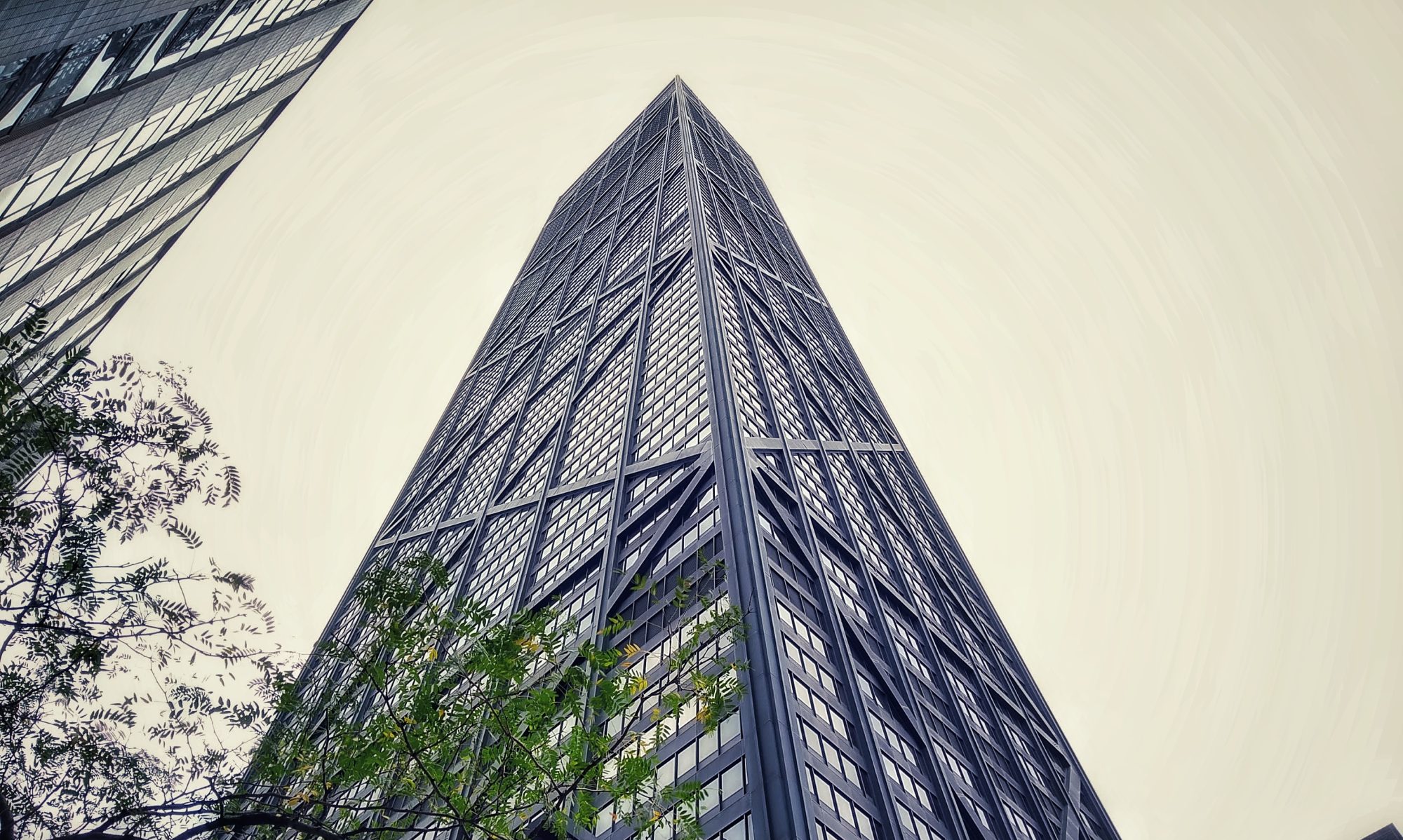
The Architecture of Low Obligation: Minimalism in a Post-Welfare Society

Architecture, Ethics, and the Erosion of Collective Responsibility Within the framework of postwar social-contract architecture, contemporary minimalism appears not as a neutral stylistic preference but as a symptom of a broken ethical horizon. Its widespread appeal marks a decisive shift away from architecture’s former role as a material agent of collective obligation and toward a …

The Hands That Built the Future: On Craftsmanship and the Paradox of Brutalism

It is one of the great paradoxes of twentieth-century architecture: that the buildings which appeared most austere and raw — the massive concrete structures of the 1950s to 1970s — were in fact realized with an extraordinary degree of care, precision, and craft. In an age of economic boom, growing labor costs, and expanding workers’ …

Jenseits der puren Form – Gedanken zu einem Begriff des ‚Proto-Brutalismus‘

Der Brutalismus in der Architektur ist keine Erfindung des Architektenehepaars Smithson und keine Kanonisierung Reyner Banhams. Wie Anette Busse in ihrem Aufsatz Von brut zum Brutalismus - Die Entwicklung von 1900 bis 1955 herausgearbeitet hat, gibt es erkennbare Vorläufer sowohl in der Gedankenwelt als auch in konkreten Beispielen, die den Brutalismus, wie ihn die Smithsons …