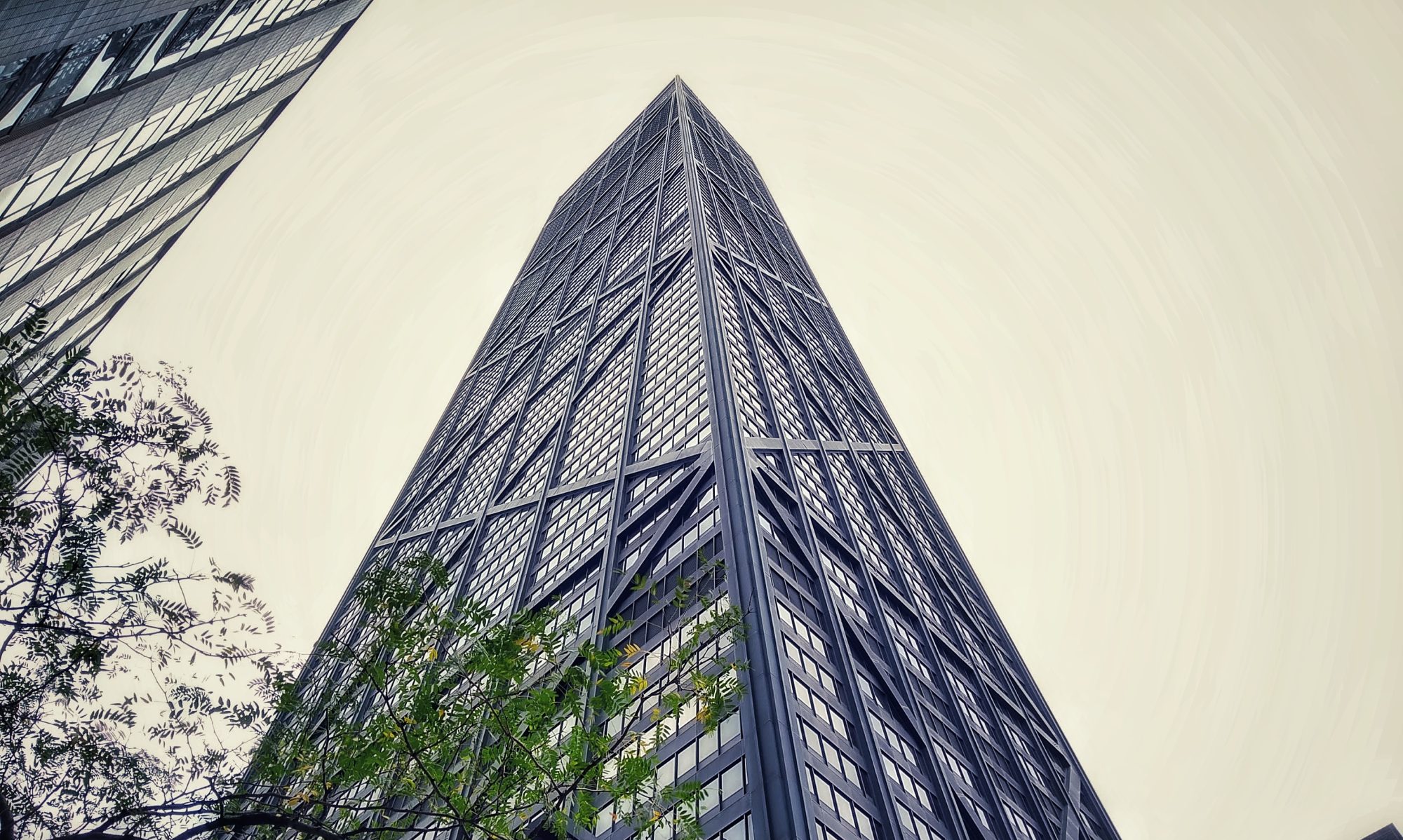
The cultural functionality of architecture should not be regarded as fundamental. Architecture is by far the most cumbersome and inert of all cultural expression techniques. Its production is bound to material, time, and social negotiation; it resists acceleration. Yet precisely this resistance has turned against it. In an age of ever-faster content consumption and the …
Architecture as a Slow Medium in a Fast Culture. On the Structural Erosion of Architectural Meaning
For much of the twentieth century, architecture was widely understood as a cultural practice in the strong sense of the term. Buildings were not merely shelters or infrastructures; they were carriers of collective values, spatial condensations of political ambition, social ideals, and shared futures. This assumption has become increasingly fragile. The recurrent diagnosis that architecture …
The Hands That Built the Future: On Craftsmanship and the Paradox of Brutalism
It is one of the great paradoxes of twentieth-century architecture: that the buildings which appeared most austere and raw — the massive concrete structures of the 1950s to 1970s — were in fact realized with an extraordinary degree of care, precision, and craft. In an age of economic boom, growing labor costs, and expanding workers’ …
Weiterlesen "The Hands That Built the Future: On Craftsmanship and the Paradox of Brutalism"
