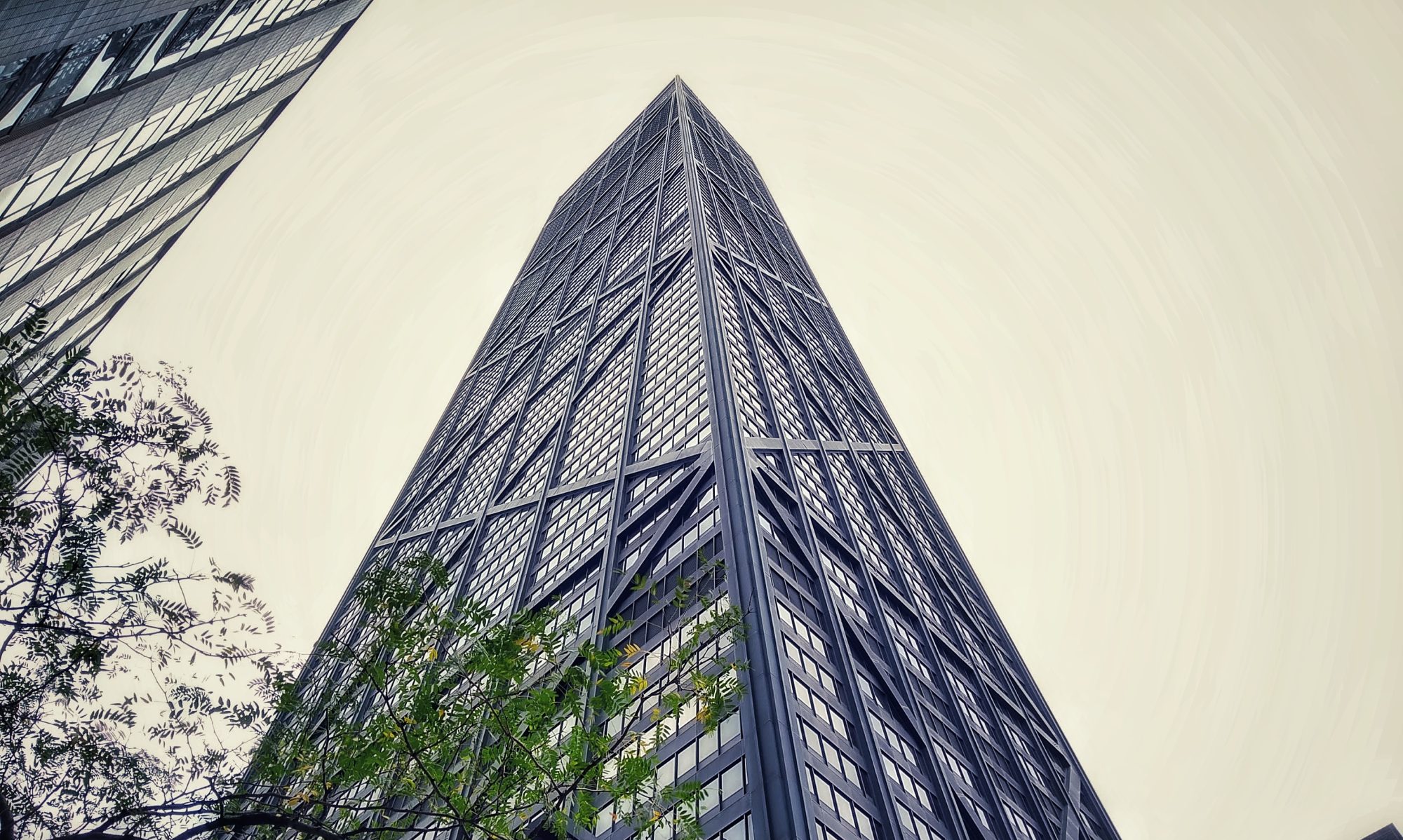
Beauty After Suspicion. Architecture, Expertise, and the Public Gaze

In recent weeks, public debate once again circled around a familiar accusation: architecture has abandoned beauty. Contemporary award shortlists, suburban housing developments, and public buildings are cited as evidence that aesthetic judgment no longer plays a meaningful role in architectural culture.1 The tone is often indignant: how could the profession drift so far from what …

The Architecture of Low Obligation: Minimalism in a Post-Welfare Society

Architecture, Ethics, and the Erosion of Collective Responsibility Within the framework of postwar social-contract architecture, contemporary minimalism appears not as a neutral stylistic preference but as a symptom of a broken ethical horizon. Its widespread appeal marks a decisive shift away from architecture’s former role as a material agent of collective obligation and toward a …

Casa Luna and Casa Guna: Ethical Monumentality at the Human Register

Pezo von Ellrichshausen’s Casa Luna and Casa Guna are often described through the familiar vocabulary of contemporary concrete architecture—monolith, prism, fortress, abstraction. Yet what makes these houses persuasive is not primarily their formal bravura and severe minimalism, but the way each project re-stages the ethical question of Brutalism’s heritage: how can architectural frankness, mass, and …